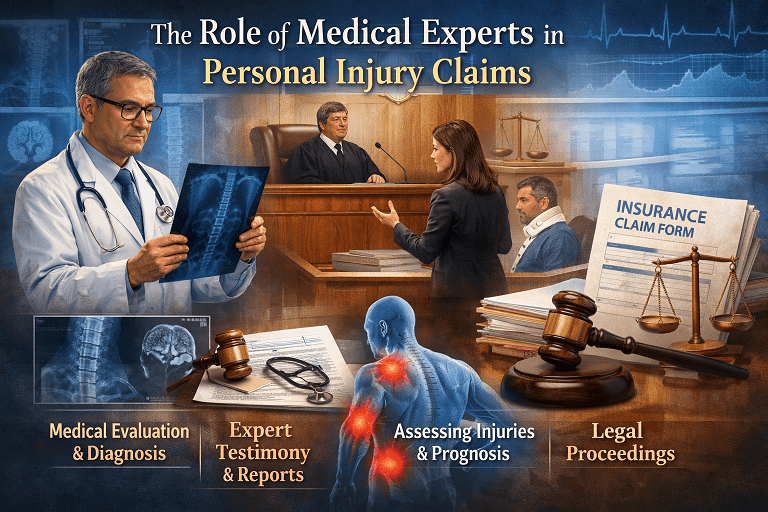
Personal injury claims represent a critical intersection between law and medicine, where the testimony and analysis of medical experts often determine the outcome of cases worth thousands or even millions of dollars. These professionals serve as the bridge between complex medical realities and legal proceedings, translating injuries, treatments, and prognoses into evidence that courts and insurance companies can evaluate. Understanding the multifaceted role of medical experts in personal injury claims is essential for anyone involved in such litigation, whether as a claimant, defendant, or legal professional.
Understanding Medical Experts in Legal Context
A medical expert in a personal injury claim is a licensed healthcare professional who possesses specialized knowledge, training, and experience relevant to the injuries at issue. Unlike treating physicians who focus primarily on patient care, medical experts in litigation serve an evaluative and educational function. They examine medical evidence, assess injuries, and provide opinions on causation, treatment necessity, prognosis, and disability that help legal decision-makers understand the medical aspects of a case.
Medical experts come from various specialties depending on the nature of the injuries involved. Orthopedic surgeons commonly testify in cases involving bone fractures, joint injuries, and spinal damage. Neurologists and neurosurgeons provide expertise in traumatic brain injuries and nerve damage. Psychiatrists and psychologists address mental health consequences such as post-traumatic stress disorder, depression, and anxiety resulting from accidents. Pain management specialists, physiatrists, vocational rehabilitation experts, and life care planners also play crucial roles in comprehensive injury assessments.
The qualifications of a medical expert extend beyond their medical degree. Courts typically require that experts demonstrate relevant education, board certification in their specialty, active clinical practice, publications or research in their field, and previous experience providing expert testimony. The expert’s credibility hinges on their professional reputation, the objectivity of their methodology, and their ability to communicate complex medical concepts in understandable terms.
Establishing Causation: The Foundation of Injury Claims
Perhaps the most critical function of medical experts in personal injury litigation is establishing causation—the direct link between the defendant’s actions and the plaintiff’s injuries. In legal terms, causation requires proving both that the defendant’s conduct actually caused the injury and that such an injury was a foreseeable consequence of that conduct. Medical experts provide the scientific foundation for these arguments.
Causation analysis begins with a thorough review of medical records, including pre-accident health history, emergency room reports, diagnostic imaging, treatment notes, and rehabilitation records. The expert examines whether the documented injuries are consistent with the mechanism of injury described in the accident. For instance, in a car accident case, a biomechanical expert might analyze whether the forces involved in a rear-end collision could produce the cervical spine injuries the plaintiff claims to have sustained.
Medical experts must also differentiate between injuries caused by the incident in question and pre-existing conditions or subsequent unrelated trauma. This distinction becomes particularly important when defendants argue that a plaintiff’s complaints stem from degenerative conditions, prior injuries, or normal aging rather than the accident at issue. The expert evaluates the temporal relationship between the accident and symptom onset, the consistency of complaints, the progression of symptoms, and whether the medical literature supports the claimed causal connection.
The standard of proof for causation in civil cases is “more probable than not” or greater than fifty percent likelihood. Medical experts express their opinions within this framework, stating whether in their professional judgment the accident caused the injuries to a reasonable degree of medical certainty or probability. This professional opinion, grounded in medical science and clinical experience, carries substantial weight in settlement negotiations and trial proceedings.
Documenting the Extent and Severity of Injuries
Beyond establishing that an injury occurred, medical experts play a vital role in documenting its full extent and severity. This assessment directly impacts the valuation of a claim, as compensation typically correlates with injury severity. A comprehensive medical evaluation examines not only obvious physical injuries but also subtle or developing conditions that may not be immediately apparent.
Physical examinations conducted by medical experts often reveal injuries that treating physicians may have missed or inadequately documented. These independent medical examinations provide an opportunity to assess range of motion limitations, neurological deficits, muscle atrophy, scarring, and other objective findings. When combined with diagnostic testing such as MRI scans, CT scans, EMG studies, or neuropsychological testing, these examinations create a complete picture of the plaintiff’s medical condition.
Medical experts also address the issue of permanency—whether injuries will fully resolve or result in lasting impairment. This determination significantly affects claim value, as permanent injuries warrant compensation for future medical expenses, ongoing pain and suffering, and long-term disability. Experts base permanency opinions on factors including the nature of the injury, the plaintiff’s response to treatment, the time elapsed since the accident, medical literature on typical recovery trajectories, and their clinical experience with similar cases.
The concept of maximum medical improvement (MMI) often features prominently in expert testimony. MMI represents the point at which a patient’s condition has stabilized and is unlikely to improve significantly with further treatment. Determining when a plaintiff has reached MMI affects both the timing of settlement negotiations and the calculation of future damages, as medical expenses and disability ratings are typically assessed at this juncture.
Addressing Treatment Necessity and Reasonableness
Insurance companies and defendants frequently challenge the necessity and reasonableness of medical treatment received by personal injury plaintiffs. Medical experts provide crucial testimony on whether the treatment rendered was appropriate, necessary, and consistent with accepted medical standards. This analysis protects plaintiffs from allegations of overtreatment while also identifying instances where inadequate care may have worsened outcomes.
Treatment necessity opinions consider whether the procedures, medications, therapies, and interventions the plaintiff received were medically warranted given their injuries. Experts evaluate whether less invasive or less expensive alternatives should have been pursued first, whether treatment durations were appropriate, and whether the medical providers involved possessed adequate qualifications. They also assess whether treatments were evidence-based and supported by medical literature or represented experimental or ineffective approaches.
The reasonableness of medical expenses represents another area where medical experts contribute valuable analysis. When defendants argue that charges were excessive, experts compare the billed amounts to prevailing rates in the community, evaluate whether the services provided justified the charges, and determine whether the total cost of care falls within reasonable ranges for the injuries sustained. This testimony helps juries and adjusters distinguish between legitimate medical expenses deserving compensation and potentially inflated or unnecessary charges.
Medical experts also opine on future medical needs, which can represent a substantial portion of damages in severe injury cases. A life care plan prepared by a qualified expert projects the medical care, equipment, medications, therapies, and assistance the plaintiff will require for the remainder of their life. These plans consider aging and the natural progression of injury-related conditions, providing a roadmap for future medical expenses that must be compensated in a settlement or verdict.
Assessing Disability and Functional Limitations
Personal injury compensation extends beyond medical bills to encompass the impact injuries have on a person’s ability to function in daily life and earn a living. Medical experts assess disability and functional limitations, providing the foundation for claims of lost earning capacity, diminished quality of life, and need for ongoing assistance.
Disability ratings, often expressed as a percentage of whole person impairment, offer a standardized method for quantifying the permanent consequences of injuries. Medical experts use established guidelines such as those published by the American Medical Association to assign these ratings based on objective findings and functional testing. These ratings influence both settlement values and, in some jurisdictions, the calculation of damages under statutory formulas.
Functional capacity evaluations conducted by physical medicine experts assess what activities a plaintiff can perform and to what extent. These evaluations test lifting, carrying, reaching, standing, sitting, and other physical capabilities, determining whether injuries prevent the plaintiff from returning to their previous occupation or limit them to sedentary or light-duty work. The results directly inform vocational expert opinions on earning capacity and employability.
For catastrophic injuries, medical experts address the plaintiff’s need for assistance with activities of daily living. They evaluate whether injuries necessitate help with bathing, dressing, meal preparation, household tasks, and personal care. The cost of providing this assistance, whether through family members who should be compensated for their time or through professional caregivers, represents a significant element of damages that medical testimony must support.
The Opposing Expert: Defense Medical Examinations
Personal injury litigation typically involves medical experts retained by both sides. Defense attorneys arrange independent medical examinations (IMEs) where their chosen experts evaluate plaintiffs. These examinations serve to challenge the plaintiff’s claims, potentially offering alternative diagnoses, disputing causation, questioning treatment necessity, or minimizing injury severity.
Defense medical experts approach cases with appropriate skepticism, looking for inconsistencies between reported symptoms and objective findings, evidence of symptom magnification or malingering, and alternative explanations for the plaintiff’s condition. While some critics suggest defense experts are biased toward those who pay them, reputable professionals maintain objectivity and base their opinions on medical evidence rather than litigation strategy.
The existence of conflicting expert opinions creates a battle of credentials, methodologies, and persuasiveness. Attorneys thoroughly vet opposing experts during depositions and trial testimony, probing their qualifications, examining the bases for their opinions, and highlighting any weaknesses in their analysis. Judges serve as gatekeepers, ensuring that expert testimony meets standards for relevance and reliability before it reaches a jury.
Plaintiffs should approach defense medical examinations prepared to present their case honestly while protecting their interests. These examinations are typically recorded, and anything said or done may be used against the plaintiff. Bringing medical records, being punctual, answering questions truthfully while not volunteering unnecessary information, and reporting any unusual conduct by the examining physician to one’s attorney all represent important considerations.
The Expert’s Testimony: Deposition and Trial
Medical experts convey their opinions through written reports, depositions, and trial testimony. The written report typically provides the expert’s background, the materials reviewed, the examination findings if applicable, and detailed opinions on causation, treatment, prognosis, and damages. This report serves as the foundation for all subsequent testimony and must be disclosed to opposing counsel according to procedural rules.
Depositions allow opposing attorneys to question experts under oath before trial, exploring the bases for their opinions, probing potential weaknesses, and assessing how the expert will present at trial. Skilled attorneys use depositions to lock experts into positions, obtain concessions, and gather ammunition for cross-examination. For experts, depositions require careful preparation, precision in language, and adherence to opinions that can be supported by medical science and the case facts.
At trial, medical experts educate juries about injuries, treatment, and consequences in language that laypeople can understand. Effective expert witnesses avoid medical jargon, use visual aids and demonstrative evidence, and maintain credibility through confident but not arrogant demeanor. Direct examination by the retaining attorney highlights the expert’s qualifications and allows them to explain their opinions fully, while cross-examination by opposing counsel attempts to undermine credibility, expose bias, or create doubt about the expert’s conclusions.
The jury’s perception of competing medical experts often determines case outcomes. Jurors assess not only the substance of expert testimony but also the expert’s apparent objectivity, the internal consistency of their opinions, how well their analysis fits with other evidence, and their ability to withstand cross-examination. An expert who appears to be an advocate rather than an objective scientist loses credibility, regardless of their qualifications.
Medical experts serve as indispensable participants in personal injury litigation, providing the scientific foundation upon which claims are built and defended. Their role extends far beyond simply reviewing records or conducting examinations; they translate medical realities into legal evidence, establish causation, document injury severity, validate treatment decisions, assess disability, and project future needs. The opinions of these professionals directly influence settlement negotiations, shape trial strategies, and ultimately determine whether injured parties receive fair compensation for their losses.
For plaintiffs pursuing injury claims, securing qualified, credible medical experts often makes the difference between inadequate settlements and appropriate compensation. For defendants and insurers, medical experts provide the analysis necessary to evaluate claims fairly and defend against exaggerated or unfounded demands. As medicine and law continue to evolve, the role of medical experts in personal injury claims will remain central to the pursuit of justice for those harmed by the negligence or wrongful conduct of others.