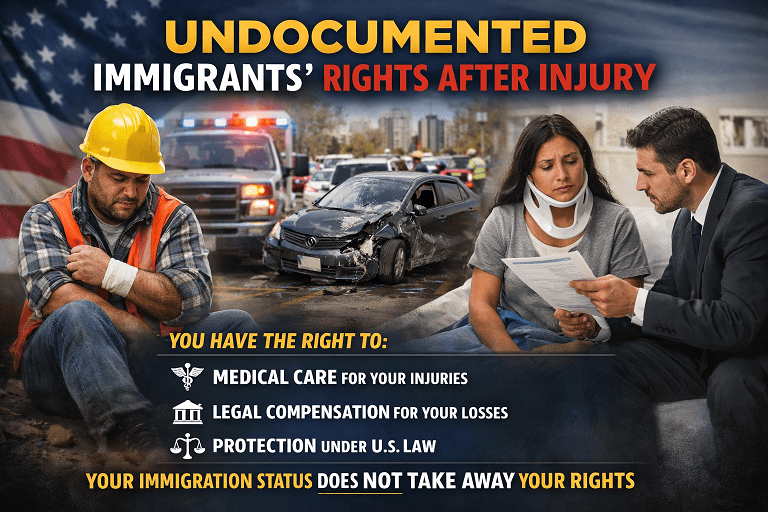
When an undocumented immigrant suffers an injury, whether at work, in a car accident, or through another person’s negligence, fear often prevents them from seeking the medical care and legal compensation they deserve. Many believe their immigration status disqualifies them from protection under United States law. This misconception can lead to untreated injuries, lost wages, and continued exploitation by employers or other parties who caused harm. Understanding the legal framework that protects all people within U.S. borders, regardless of immigration status, is essential for anyone who has been injured and needs medical treatment or seeks compensation for their losses.
Federal Legal Protections for Emergency Medical Care
The Emergency Medical Treatment and Labor Act (EMTALA) stands as one of the most important federal protections for undocumented immigrants who require immediate medical attention. Enacted in 1986, this law mandates that any hospital participating in Medicare must provide medical screening and stabilization treatment to anyone who arrives at an emergency department, regardless of their ability to pay or their immigration status. The law prohibits hospitals from turning away patients based on financial considerations or citizenship status before providing necessary emergency care.
EMTALA applies to all hospital emergency departments across the United States. When an undocumented immigrant arrives at an emergency room with an injury, the hospital must conduct an appropriate medical screening examination to determine whether an emergency medical condition exists. If such a condition is found, the hospital must provide stabilizing treatment or arrange for appropriate transfer to another facility that can provide the necessary care. Hospitals that violate EMTALA face significant penalties, including fines and exclusion from Medicare participation.
This protection extends beyond life-threatening situations. An emergency medical condition under EMTALA includes any condition that could reasonably result in serious impairment to bodily functions, serious dysfunction of any bodily organ or part, or placing the patient’s health in serious jeopardy. This broad definition covers many injuries that undocumented immigrants might sustain at work or elsewhere, from severe lacerations and broken bones to head injuries and internal bleeding.
The law also prohibits hospitals from delaying examination or treatment to inquire about immigration status or ability to pay. Hospital staff cannot ask for proof of citizenship before providing emergency care, and they cannot delay treatment while verifying insurance coverage. Any such delay that results in harm to the patient can constitute a violation of EMTALA and expose the hospital to legal liability.
Workers’ Compensation Rights Regardless of Immigration Status
One of the most significant areas where undocumented immigrants retain legal rights involves workplace injuries and workers’ compensation benefits. In most states, workers’ compensation laws protect all employees who suffer work-related injuries, regardless of their immigration status. These laws operate on a no-fault basis, meaning injured workers can receive benefits without proving their employer was negligent, and in exchange, they generally cannot sue their employer for additional damages.
The rationale behind extending workers’ compensation to undocumented workers serves multiple policy objectives. First, it ensures that all workers receive medical care for job-related injuries, protecting public health and preventing untreated injuries from worsening. Second, it prevents employers from gaining an unfair competitive advantage by hiring undocumented workers and then denying them benefits when injuries occur. Third, it promotes workplace safety by ensuring all workers can report hazardous conditions without fear of retaliation based on immigration status.
Workers’ compensation typically covers several types of benefits for injured workers. Medical benefits pay for all reasonable and necessary medical treatment related to the work injury, including emergency care, surgery, hospitalization, physical therapy, prescription medications, and medical equipment. Temporary disability benefits provide partial wage replacement while the worker recovers and cannot perform their job duties. Permanent disability benefits compensate workers who suffer lasting impairments that affect their ability to work. Additionally, vocational rehabilitation services may be available to help injured workers return to suitable employment.
Filing a workers’ compensation claim does not require the injured worker to disclose their immigration status in most circumstances. The claim focuses on the employment relationship, the nature of the injury, and the connection between the work duties and the harm suffered. While some states have attempted to limit benefits for undocumented workers, particularly regarding future wage loss calculations, the fundamental right to medical treatment and some form of compensation remains protected in most jurisdictions.
However, undocumented workers face unique challenges when pursuing workers’ compensation claims. Some employers may threaten to report injured workers to immigration authorities if they file claims. Such retaliation is illegal under both workers’ compensation laws and various civil rights statutes. Federal and state laws prohibit employers from retaliating against workers for reporting injuries or filing compensation claims, and this protection extends to undocumented immigrants.
Personal Injury Claims and Tort Law Protections
Beyond workplace injuries, undocumented immigrants who suffer harm due to another party’s negligence or intentional misconduct have the right to pursue personal injury claims through the civil justice system. Immigration status does not prevent someone from being a plaintiff in a lawsuit, and courts have consistently held that all people within the United States are entitled to seek redress for injuries caused by others.
Personal injury claims can arise from various situations, including car accidents, slip and fall incidents, medical malpractice, defective products, dog bites, and assaults. When an undocumented immigrant suffers injury in any of these contexts, they can file a lawsuit seeking compensation for medical expenses, lost wages, pain and suffering, and other damages recognized under tort law.
The legal standard in personal injury cases does not differ based on the plaintiff’s immigration status. The injured party must prove that the defendant owed a duty of care, breached that duty, and caused injuries that resulted in damages. Immigration status is generally irrelevant to establishing these elements of a claim. Courts evaluate the evidence based on what happened, who was at fault, and what harm occurred, not on the citizenship of the parties involved.
Compensation in personal injury cases typically includes economic damages such as past and future medical expenses, lost earnings, and reduced earning capacity. Undocumented immigrants can recover these economic damages, though calculating future lost earnings may present complications. Courts have taken different approaches to this issue, with some allowing calculation based on U.S. wage rates and others considering whether the plaintiff would likely remain in the United States to earn those wages.
Non-economic damages for pain and suffering, emotional distress, loss of enjoyment of life, and disfigurement are also available to undocumented plaintiffs. These damages recognize the human impact of injuries beyond financial losses. Immigration status should not diminish the value of a person’s physical pain or psychological trauma resulting from someone else’s wrongful conduct.
Privacy Protections and Confidentiality Concerns
Privacy concerns weigh heavily on undocumented immigrants who need medical care or pursue legal claims after injuries. Understanding the legal protections that safeguard personal information can help alleviate some of these fears and encourage injured individuals to seek necessary treatment and compensation.
The Health Insurance Portability and Accountability Act (HIPAA) provides comprehensive federal protection for medical information. HIPAA’s privacy rule applies to covered entities including hospitals, doctors, clinics, and health insurance companies. These providers cannot disclose protected health information without patient authorization except in specific circumstances permitted by law. Immigration enforcement is not among the permitted disclosures, meaning healthcare providers generally cannot share patient information with immigration authorities without the patient’s consent or a warrant.
Medical providers who treat undocumented immigrants cannot ask about immigration status as a condition of providing care, and they cannot report patients to immigration authorities based on suspicions about their status. The physician-patient privilege and medical ethics principles emphasize confidentiality, creating strong professional and legal barriers against disclosure of patient information.
In legal proceedings involving injury claims, certain protections limit discovery into immigration status. Many courts have recognized that allowing defendants to extensively question plaintiffs about their immigration status can create a chilling effect, deterring undocumented immigrants from pursuing legitimate claims. As a result, courts often limit or prohibit questions about immigration status unless the defendant can show the information is directly relevant to a specific issue in the case.
Attorney-client privilege provides another crucial layer of protection. Communications between an injured undocumented immigrant and their attorney are confidential and protected from disclosure. This privilege allows injured individuals to speak freely with their lawyers about their immigration status, how it might affect their case, and what risks they face, without fear that this information will be shared with opposing parties or immigration authorities.
Some jurisdictions have enacted sanctuary policies that limit local law enforcement and government agencies from cooperating with federal immigration enforcement. While these policies vary significantly in scope and application, they can provide additional protection for undocumented immigrants seeking help from police after injuries caused by crimes or accidents. Understanding local policies can help injured immigrants make informed decisions about reporting incidents and seeking assistance.
Special Considerations for Workplace Injuries
Workplace injuries present unique considerations for undocumented immigrants beyond the basic workers’ compensation framework. The power dynamics in employment relationships, combined with immigration status concerns, create situations where injured workers may face pressure, threats, or exploitation.
Many undocumented workers labor in industries with high injury rates, including construction, agriculture, food processing, and hospitality. These industries often involve physical labor, dangerous equipment, hazardous materials, and demanding production schedules. When employers cut corners on safety measures or fail to provide proper training and equipment, undocumented workers may suffer serious injuries.
After a workplace injury, employers sometimes attempt to avoid workers’ compensation liability by claiming the injured worker was an independent contractor rather than an employee. This misclassification tactic affects many workers, but undocumented immigrants may be particularly vulnerable to such schemes. The legal test for employment status focuses on the degree of control the employer exercises over the worker’s duties, not on the labels the parties use or the worker’s immigration status. Workers who are classified as independent contractors but treated as employees can challenge this designation and pursue workers’ compensation benefits.
Employer retaliation remains a significant concern for injured undocumented workers. When workers file injury reports or workers’ compensation claims, some employers respond by threatening deportation, reporting workers to immigration authorities, or terminating employment. These retaliatory actions violate workers’ compensation laws and other employment protections. Federal law prohibits employers from retaliating against workers for asserting their rights under workplace safety laws, regardless of immigration status.
The Occupational Safety and Health Administration (OSHA) enforces workplace safety standards and protects workers who report safety violations or injuries. OSHA’s whistleblower protection provisions apply to all workers, including undocumented immigrants. Workers who face retaliation for reporting injuries or safety concerns can file complaints with OSHA, which may investigate and take action against employers who engage in prohibited retaliation.
Documentation of workplace injuries presents another challenge for undocumented workers. Employers may fail to maintain accurate injury records, refuse to provide workers with copies of incident reports, or discourage workers from seeking medical treatment. Undocumented workers should try to document their injuries through photographs, witness statements, and medical records. Seeking treatment from a healthcare provider creates an independent record of the injury and its severity, which can be crucial evidence in workers’ compensation or personal injury claims.
Third-Party Liability Claims in Workplace Contexts
While workers’ compensation provides the primary remedy for most workplace injuries, undocumented immigrants may also have claims against third parties whose negligence contributed to their injuries. These third-party claims exist outside the workers’ compensation system and can provide additional compensation beyond what workers’ compensation offers.
Third-party claims commonly arise in construction site accidents where workers employed by one contractor are injured due to the negligence of another contractor, a property owner, or a manufacturer of defective equipment. For example, if an undocumented construction worker is injured when scaffolding manufactured by a third party collapses due to a design defect, the worker can pursue a workers’ compensation claim against their employer and a product liability claim against the scaffolding manufacturer.
Similarly, if an undocumented delivery driver is injured in a car accident caused by another motorist’s negligence while making deliveries for their employer, the worker can receive workers’ compensation benefits and also file a personal injury lawsuit against the at-fault driver. These third-party claims allow recovery of full damages, including pain and suffering, which workers’ compensation typically does not provide.
Premises liability claims represent another common category of third-party workplace injury cases. When undocumented workers are injured on property they do not work for due to dangerous conditions the property owner created or failed to remedy, they may have claims against the property owner in addition to workers’ compensation claims against their employer.
Equipment manufacturers, maintenance companies, and other businesses whose products or services contribute to workplace injuries can also be liable in third-party claims. Immigration status does not affect the ability to pursue these claims or the damages available. The focus remains on proving that the third party’s negligence or defective product caused the injury.
Navigating the Legal System Without Status
Undocumented immigrants who need to pursue injury claims face practical challenges in navigating the legal system while protecting their immigration status. Understanding these challenges and available strategies can help injured individuals make informed decisions about seeking compensation.
Many personal injury attorneys and workers’ compensation lawyers represent undocumented clients. These attorneys understand the unique concerns their clients face and take steps to protect their immigration status throughout the legal process. Finding an attorney with experience representing undocumented immigrants can provide peace of mind and better outcomes.
Legal representation is particularly important because attorneys can advocate for protective orders that limit questioning about immigration status during depositions and trials. Without such protections, opposing parties might attempt to intimidate undocumented plaintiffs by threatening to expose their status or use it against them. Experienced attorneys know how to prevent these tactics and keep the focus on the relevant legal issues.
Some defendants in injury cases have attempted to report injured undocumented plaintiffs to immigration authorities as a litigation tactic. While such actions may constitute witness intimidation or obstruction of justice, they create real risks for plaintiffs. Working with an attorney who understands these risks and can seek legal protections is essential.
Certain jurisdictions provide additional protections for undocumented individuals in legal proceedings. Some courts have rules limiting when immigration status can be mentioned in front of juries, recognizing that such information could prejudice jurors against the plaintiff. Other jurisdictions have statutes that specifically prohibit using immigration status to intimidate witnesses or parties in civil litigation.
Payment arrangements for legal representation vary. Many personal injury attorneys work on contingency fee agreements, meaning they receive payment only if they recover compensation for the client. This arrangement makes legal representation accessible to injured immigrants who lack funds to pay hourly attorney fees. Workers’ compensation claims may involve different fee structures, but many attorneys offer free consultations to discuss potential cases.
Long-Term Implications and Future Immigration Status
Injured undocumented immigrants often worry about how pursuing legal claims might affect future immigration applications or proceedings. While these concerns are understandable, several factors should inform decisions about seeking compensation for injuries.
First, failing to treat injuries or obtain compensation does not improve immigration prospects. There is no immigration benefit to suffering in silence after an injury. In fact, untreated medical conditions can create problems in immigration proceedings if they worsen and require extensive treatment later.
Second, exercising legal rights to workers’ compensation or personal injury compensation generally does not create immigration consequences. These claims are civil matters separate from immigration enforcement. Filing a lawsuit or workers’ compensation claim does not automatically trigger immigration proceedings or create a deportation priority.
However, immigration law is complex, and any undocumented immigrant considering legal action should consult with an immigration attorney in addition to a personal injury lawyer. An immigration attorney can assess individual circumstances, explain potential risks, and help the person make an informed decision about pursuing compensation.
Some immigration applications require proof of continuous presence in the United States, good moral character, or hardship to family members. Medical records documenting serious injuries and treatment could potentially support certain types of immigration relief in the future. For example, individuals who have been victims of crimes and cooperated with law enforcement may qualify for U visas, and those who suffered severe workplace injuries due to employer violations might have claims relevant to immigration proceedings.
Documentation of injuries, treatment, and lost wages should be maintained carefully. Even if an undocumented immigrant chooses not to pursue immediate legal action, preserving evidence of injuries can preserve options for future claims within applicable statutes of limitations. Medical records, photographs of injuries, witness contact information, and documentation of income loss are all important to preserve.
Moving Forward: Protecting Rights While Managing Risk
Undocumented immigrants who suffer injuries face difficult decisions about whether to seek medical care, report workplace incidents, or pursue legal compensation. While legal protections exist, fear of immigration consequences creates real barriers to accessing these rights. Understanding both the protections available and the practical risks involved allows injured individuals to make informed choices about their situations.
The most critical immediate step after any serious injury is seeking medical care. Emergency rooms cannot turn away patients based on immigration status, and delaying treatment can turn manageable injuries into life-threatening conditions or permanent disabilities. Health must come first, and EMTALA protections ensure access to emergency medical care.
For workplace injuries, documenting the incident and notifying the employer creates a record that supports workers’ compensation claims. While some workers fear retaliation, failing to report injuries can result in denial of benefits later. Many states have strict deadlines for reporting workplace injuries and filing workers’ compensation claims, and missing these deadlines can forfeit the right to benefits.
Consulting with an attorney who has experience representing undocumented immigrants in injury cases provides crucial guidance. These attorneys can explain the specific laws in your jurisdiction, assess the strength of potential claims, and help navigate the legal process while protecting immigration status to the extent possible. Many offer free consultations and work on contingency fees, making legal advice accessible even without upfront payment.
Community organizations, worker centers, and legal aid programs in many areas provide resources and support for undocumented immigrants dealing with workplace injuries or other legal issues. These organizations can provide referrals to trusted attorneys, help with language barriers, and offer support throughout the legal process.
The decision to pursue legal action involves weighing the potential compensation against the risks of increased visibility and potential immigration consequences. This calculus differs for each individual based on their specific circumstances, the severity of their injuries, the strength of their legal claims, and their immigration situation. No one should feel pressured to pursue or forgo legal claims, and seeking advice from both personal injury and immigration attorneys can help clarify the options and risks.