
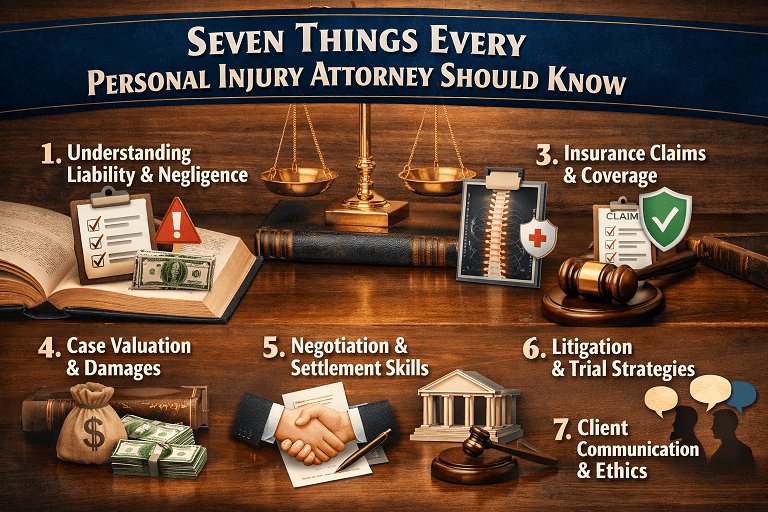
Personal injury law is a demanding and multifaceted practice area that requires attorneys to balance legal expertise, client advocacy, and business acumen. Whether you’re just starting your career or are a seasoned practitioner, staying informed about key principles and best practices is essential for success. Here are seven critical things every personal injury attorney should know to provide exceptional representation and build a thriving practice.
1. The True Value of Client Communication
Effective communication with clients is perhaps the most important skill a personal injury attorney can develop, yet it’s often underestimated. When someone suffers an injury, they’re navigating not just physical pain but also emotional trauma, financial uncertainty, and an unfamiliar legal system. Your ability to communicate clearly, compassionately, and consistently can make the difference between a satisfied client who refers others to your practice and a dissatisfied one who leaves negative reviews.
Establish clear communication protocols from the initial consultation. Set realistic expectations about case timelines, potential outcomes, and your availability. Many complaints against attorneys stem from poor communication rather than actual case mishandling. Return phone calls and emails promptly, even if it’s just to acknowledge receipt and let the client know you’re working on their matter.
Beyond responsiveness, translate legal jargon into plain language. Your clients don’t need to understand every nuance of civil procedure, but they should comprehend what’s happening in their case and why certain strategies are being employed. Regular updates—even when there’s no significant development—reassure clients that their case hasn’t been forgotten.
Remember that for most clients, their personal injury case is one of the most significant legal matters they’ll ever face. What might be routine to you is life-changing for them. Demonstrating empathy and maintaining open lines of communication builds trust and strengthens the attorney-client relationship, which ultimately contributes to better case outcomes and client satisfaction.
2. Documentation is Everything
In personal injury cases, thorough documentation can make or break a claim. The burden of proof rests on the plaintiff, and without proper evidence, even the most meritorious case can fail. Successful personal injury attorneys understand that building a strong case begins with meticulous documentation from day one.
Medical records form the foundation of most personal injury claims. Ensure your clients understand the importance of seeking immediate medical attention after an injury and following through with all recommended treatments. Gaps in medical treatment often become ammunition for defense attorneys to argue that injuries weren’t as severe as claimed. Obtain complete medical records, including ambulance reports, emergency room visits, diagnostic imaging, treatment notes, and prescriptions.
Photographic and video evidence can be equally powerful. Encourage clients to document their injuries, property damage, accident scenes, and how their injuries affect daily activities. These visual elements help juries understand the real-world impact of an injury in ways that written reports cannot capture.
Witness statements should be obtained as quickly as possible while memories are fresh. Contact information for witnesses can disappear rapidly, and recollections fade over time. Written or recorded statements taken shortly after an incident carry more weight than testimony given months or years later.
Financial documentation is also crucial. Clients should maintain records of all injury-related expenses, including medical bills, prescription costs, lost wages, transportation to medical appointments, and home modifications necessitated by their injuries. These concrete numbers help establish economic damages and support settlement negotiations or trial presentations.
Create a comprehensive case file system that organizes all documentation chronologically and by category. This organization saves time during case preparation and ensures that critical evidence isn’t overlooked. In the age of digital practice, consider using case management software that allows secure document storage and easy retrieval.
3. Understanding Medical Terminology and Injuries
Personal injury attorneys don’t need medical degrees, but a solid understanding of medical terminology, common injuries, and treatment protocols is essential. This knowledge allows you to communicate effectively with medical providers, identify key issues in medical records, and present medical evidence persuasively to insurance adjusters, opposing counsel, and juries.
Familiarize yourself with the types of injuries most relevant to your practice. If you handle motor vehicle accidents, understand whiplash, traumatic brain injuries, spinal cord injuries, and orthopedic trauma. For slip and fall cases, bone fractures, soft tissue injuries, and head trauma are common. Workplace injury cases might involve repetitive stress injuries, burns, or occupational diseases.
Learn to read and interpret medical records, diagnostic imaging reports, and treatment plans. Understanding the significance of findings in MRI or CT scan reports helps you assess case value and identify when expert medical testimony will be necessary. Recognize the difference between subjective complaints and objective findings, as insurance companies and defense attorneys will certainly scrutinize this distinction.
Building relationships with medical providers who can serve as expert witnesses is invaluable. Cultivate a network of specialists—orthopedic surgeons, neurologists, physical therapists, vocational rehabilitation experts, and life care planners—who can provide credible testimony about your client’s injuries, treatment needs, and future prognosis. These experts can often mean the difference between a modest settlement and substantial compensation.
Additionally, understanding causation is critical. Defense attorneys will attempt to attribute injuries to pre-existing conditions or intervening causes. Your medical knowledge must be sufficient to demonstrate how the defendant’s actions directly caused or aggravated your client’s injuries. This often requires working closely with medical experts to establish clear causal connections that withstand scrutiny.
4. The Art and Science of Case Valuation
Accurately valuing personal injury cases is both an art and a science that develops with experience but relies on concrete principles. Overvaluing cases can lead to unrealistic client expectations and lost settlement opportunities, while undervaluing claims results in clients receiving less compensation than they deserve.
Economic damages are the most straightforward component. Calculate all past and future medical expenses, lost wages, loss of earning capacity, and out-of-pocket costs. For future damages, work with economists and life care planners to project long-term costs and lost income potential. Be thorough and conservative in these calculations—defense attorneys will challenge inflated figures.
Non-economic damages—pain and suffering, emotional distress, loss of enjoyment of life—are more subjective but equally important. While some jurisdictions use multipliers or per diem approaches, experienced attorneys develop an intuitive sense of what juries in their jurisdiction award for specific types of injuries. Review jury verdicts in similar cases, attend trials, and stay informed about recent awards in your area.
Consider factors that affect case value beyond the injury itself. Liability strength, the credibility and likability of your client, the defendant’s resources, insurance policy limits, venue considerations, and the quality of documentation all influence settlement and verdict potential. A sympathetic plaintiff with clear liability and permanent injuries will command higher value than a case with disputed fault and minimal medical treatment.
Be honest with clients about case valuation from the outset. Provide a realistic range rather than a single number, and explain the factors that could increase or decrease final compensation. This transparency manages expectations and helps clients make informed decisions about settlement offers.
5. Settlement Negotiation Strategies
While only a small percentage of personal injury cases proceed to trial, settlement negotiation skills are essential for every attorney. The ability to effectively negotiate directly impacts client outcomes and practice efficiency.
Timing matters in settlement negotiations. Demanding settlement too early, before the full extent of injuries is known, can leave value on the table. However, waiting too long might signal desperation or allow the case to lose momentum. Generally, negotiate once maximum medical improvement is reached and you have comprehensive documentation of all damages.
Prepare thoroughly before entering negotiations. Develop a detailed settlement memorandum that presents the facts, liability arguments, damages calculation, and supporting documentation. This written presentation demonstrates professionalism and gives the insurance adjuster or defense attorney a clear picture of your case’s strength.
Start negotiations with a demand that’s higher than your target settlement but not so unrealistic that it undermines your credibility. Insurance adjusters expect some negotiation room, but demands that seem disconnected from case value can derail productive discussions. Be prepared to justify every dollar of your demand with specific evidence.
Understand the psychology of negotiation. Use anchoring effects by presenting your demand first. Demonstrate your willingness to try the case if a fair settlement cannot be reached—this requires actual trial preparation, not empty threats. Find creative solutions when parties are stuck, such as structured settlements or agreements on future medical treatment.
Know your client’s bottom line before negotiations begin, but also educate them about the costs and risks of trial. Clients should understand that while you’ll fight for maximum compensation, trial outcomes are uncertain and come with expenses. Help them weigh the certainty of a settlement offer against the possibility of a larger verdict or the risk of losing at trial.
6. Trial Preparation and Courtroom Skills
Even though most cases settle, every personal injury attorney must be trial-ready. Insurance companies and defense attorneys can identify attorneys who avoid trial, and those attorneys receive lower settlement offers. Developing strong trial skills and demonstrating your willingness to litigate improves outcomes across your entire practice.
Preparation is the foundation of trial success. Master the facts of your case so thoroughly that you can discuss any aspect without referring to notes. Organize exhibits logically and ensure all evidence is properly authenticated and admissible. Prepare witnesses carefully—clients, fact witnesses, and experts should understand what to expect and how to communicate effectively.
Craft a compelling narrative. Juries remember stories, not isolated facts. Develop a clear, coherent theme that weaves through your opening statement, witness examination, and closing argument. Help jurors understand not just what happened but why it matters and how it has affected your client’s life.
Master the rules of evidence and civil procedure. Technical mistakes can result in excluded evidence or mistrial. Know how to properly lay foundations for exhibits, handle hearsay objections, and impeach witnesses. If you’re relatively new to trial work, consider second-chairing more experienced attorneys or taking trial skills courses.
Work on your courtroom presence and communication skills. Make eye contact with jurors, speak clearly and confidently, and project authenticity. Avoid legal jargon and speak in plain language that resonates with ordinary people. Use visual aids—photographs, diagrams, animations, day-in-the-life videos—to make abstract injuries and damages concrete for jurors.
Prepare for cross-examination of defense witnesses and experts. Anticipate defense arguments and develop strategies to undermine them. Practice your closing argument, refining it to address the specific evidence and arguments that emerged during trial.
7. Business and Practice Management
Legal expertise alone doesn’t guarantee a successful personal injury practice. Understanding the business side of law is essential for sustainability and growth.
Develop efficient case management systems. Personal injury practices often handle numerous cases simultaneously, and organization prevents details from slipping through the cracks. Whether you use specialized legal software or develop your own systems, ensure that deadlines are tracked, documents are organized, and tasks are delegated appropriately.
Implement sound financial practices. Understand your firm’s economics—what it costs to run the practice, which cases are profitable, and how to price your services competitively. While many personal injury cases operate on contingency fees, ensure your fee agreements are clear, comply with ethical rules, and adequately compensate you for the risk and work involved.
Marketing and client intake processes significantly impact practice success. In today’s digital age, potential clients research attorneys online before making contact. Maintain a professional website, cultivate positive reviews, and establish a presence on platforms where potential clients look for legal help. Develop an intake system that quickly evaluates potential cases and communicates your value proposition to prospective clients.
Build a network of referral sources. Other attorneys, medical providers, former clients, and professional contacts can provide a steady stream of quality cases. Nurture these relationships through regular communication, reciprocal referrals, and excellent service that makes people want to recommend you.
Invest in continuing education and professional development. Personal injury law evolves as new precedents emerge, statutes change, and litigation strategies develop. Attend conferences, participate in bar association committees, and stay current with legal publications relevant to your practice areas.
Consider whether you’re better served as a solo practitioner, in partnership, or as part of a larger firm. Each model has advantages and challenges. Evaluate your strengths, preferences, and goals when making these structural decisions.
Finally, maintain ethical standards and professionalism in all aspects of your practice. Your reputation is your most valuable asset. Handle client funds properly, communicate honestly, avoid conflicts of interest, and treat opposing counsel, court staff, and judges with respect. Ethical violations can destroy a career, while a reputation for integrity and competence leads to long-term success.
Personal injury law offers the opportunity to make meaningful differences in people’s lives while building a rewarding career. By mastering these seven essential areas—client communication, documentation, medical knowledge, case valuation, settlement negotiation, trial skills, and practice management—you position yourself to provide excellent representation and achieve sustainable success. Whether you’re handling your first case or your thousandth, these principles rem


